Ministério Veredas Do IDE
  • Home
  • ConfiraHOT
  • Devocional Diário
  • Motivacional
  • Perguntas e Respostas
  • English
    • English
    • Español
    • Português
Ministério Veredas Do IDE
  • Home
  • ConfiraHOT
  • Devocional Diário
  • Motivacional
  • Perguntas e Respostas
  • English
    • English
    • Español
    • Português
Subscribe
Ministério Veredas Do IDE
  • Home
  • ConfiraHOT
  • Devocional Diário
  • Motivacional
  • Perguntas e Respostas
  • English
    • English
    • Español
    • Português

Copyright 2021 - All Right Reserved. Designed and Developed by PenciDesign

Biblical Studies

Strength in Weakness: The Christian Journey of Overcoming

by Ministério Veredas Do IDE October 23, 2025
written by Ministério Veredas Do IDE

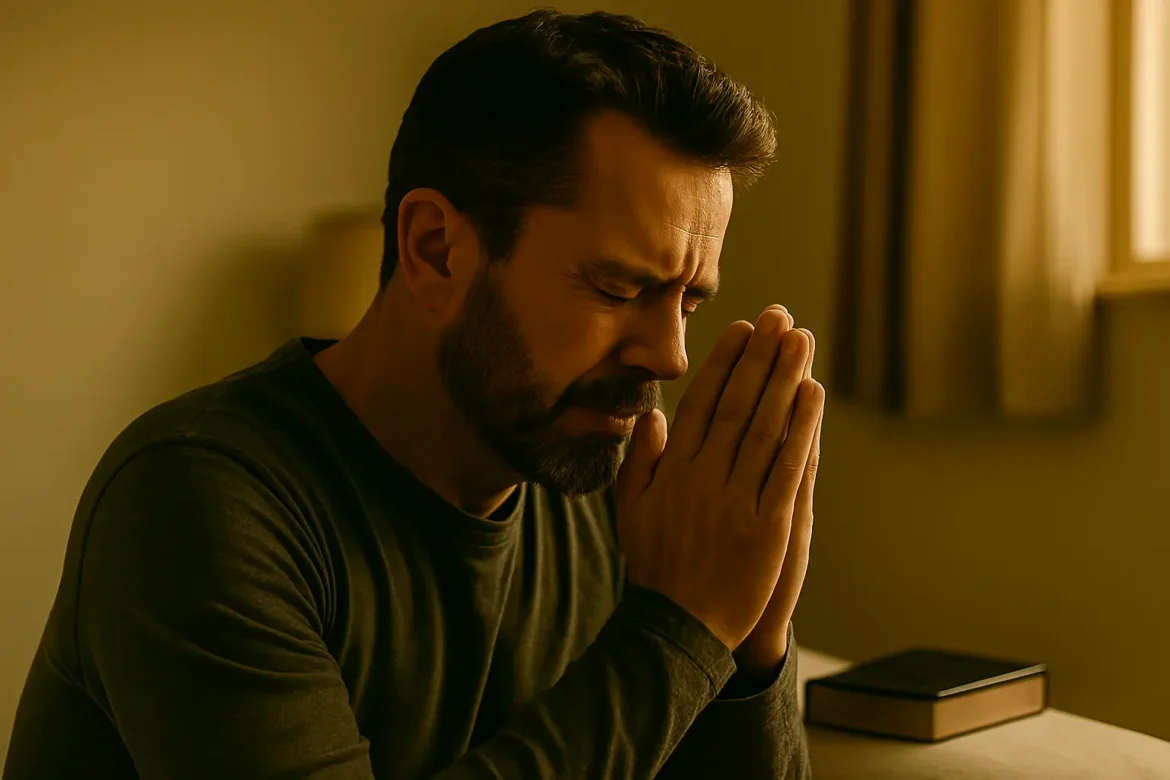
“When I am weak, then I am strong.” The Christian journey is filled with distinct phases. At certain moments, we experience the fullness of God’s glory, grace, and power, feeling strengthened. At other times, we go through desert periods that lead us to feel weak or without strength to continue.

The Spiritual Desert and the Promise of Strength

As we traverse the spiritual desert, we sometimes feel as if we were in a car with very little gas, unable to continue the journey. The enemy of our souls tries to convince us that we will be destroyed by the desert’s dryness and that God has abandoned us. However, the Apostle Paul reminds us:

Therefore I take pleasure in infirmities, in reproaches, in necessities, in persecutions, in distresses for Christ’s sake: for when I am weak, then am I strong. (2 Corinthians 12:10, KJV)

This powerful biblical passage teaches us that, even in the face of life’s difficulties and challenges, we can find strength and comfort in our faith. In moments of weakness, we are strengthened by God’s presence in our lives.

God’s Power in Our Weakness

Paul shows us that moments of weakness are, in fact, opportunities for learning. The reproaches, necessities, persecutions, distresses, and tribulations we face for the love of God may arise unexpectedly, making us feel fragile. Yet, it is precisely in these moments that God reveals we are stronger than we imagine.

And he said unto me, My grace is sufficient for thee: for my strength is made perfect in weakness. Most gladly therefore will I rather glory in my infirmities, that the power of Christ may rest upon me. (2 Corinthians 12:9, KJV)

When we go through periods of apparent weakness, it is God’s power that transforms our lives. In these moments, we seek God with all our heart, recognizing that nothing can separate us from His love.

Who shall separate us from the love of Christ? Shall tribulation, or distress, or persecution, or famine, or nakedness, or peril, or sword? (Romans 8:35, KJV)

Nothing Separates Us from God’s Love

Reflecting on Romans 8:35, the question arises: what could separate us from God’s love? The answer is clear: nothing. God’s love is unconditional, eternal, and infinite. No matter what we do, where we are, or how we feel, His love is always with us. He surrounds us with His grace and mercy, sustaining us in the most difficult moments and celebrating with us in life’s joys.

Tribulation may bring sadness and discouragement, but it has no power to separate us from God. Distress may afflict us, but it cannot stop us. Persecution may arise, but God remains by our side. Famine and nakedness do not separate us from His love, for God is our provider. Neither peril nor sword can separate us, as the psalmist declares:

Yea, though I walk through the valley of the shadow of death, I will fear no evil: for thou art with me; thy rod and thy staff they comfort me. (Psalm 23:4, KJV)

Growth in Life’s Deserts

In the Christian journey, there are moments of exaltation, but also periods of challenges. These deserts may seem long and arid, but they are part of our spiritual growth. In these moments, we develop faith, perseverance, and intimacy with God. Just as rain makes the desert bloom, difficulties strengthen us and prepare us for new blessings.

In the Christian walk, we experience moments so intimate with God that we learn from Him, like a father teaching his child to take their first steps. God encourages us to move forward and, in difficulties, shows us that we walk with Him in all phases of life, whether simple or challenging. He reveals His constant presence and teaches us that, at times, we need to take our own steps, always with His companionship, which keeps us from falling.

Overcoming and Strength in Faith

Walking in the desert may bring insecurity, fear, weakness, or even despair. However, this journey provides new experiences with God, fosters intimacy, and strengthens our spiritual growth. Through overcoming, we find the strength to move forward. Therefore, do not focus on your weaknesses but on the strength God grants you.

We all have characteristics that make us special and capable of achieving our goals. Instead of dwelling on what we consider weaknesses, we should focus on our positive qualities and use them to our advantage. A positive self-perception is essential for personal growth and the fulfillment of our dreams. Believe in yourself and your potential, for you are stronger than you imagine.

If you think, “I am weak, I am small, I can’t do it!”, remember David, who defeated the lion, the bear, and the giant. He showed determination to overcome weaknesses, conquer fears, face challenges, and surpass limitations.

We Are More Than Conquerors

Looking back, we realize we have overcome many challenges and obstacles, yet we have reached this point. Each obstacle overcome has strengthened our faith, fostered intimacy with God, and made us more patient. Now, looking to the future, we know we are capable of facing whatever comes, for our faith, determination, and our God are greater than any adversity.

Nay, in all these things we are more than conquerors through him that loved us. (Romans 8:37, KJV)

The First Victory: Life

From a human scientific perspective, the first battle we face is for life, still in the womb. If we are here today, it is because we were born conquerors. Life is a precious gift, a journey filled with challenges, discoveries, and growth. From the womb, we are surrounded by a mighty God who empowers us to overcome obstacles and move forward. He teaches us that each of us carries the strength needed to overcome adversities and achieve our deepest dreams.

By recognizing that life itself is our first victory, we can face each day with gratitude and determination, knowing we are capable of achieving what we desire. May we share this word of faith with those who have not yet encountered God.

If this message has uplifted your life, we ask for two things:

  1. Leave your comment to strengthen our faith.
  2. Share on social media so that other lives may be impacted by God’s power

October 23, 2025 0 comments
0 FacebookTwitterPinterestEmail
Biblical Studies

Isaiah 6:1-8 – An Encounter Marked by God’s Glory

by Ministério Veredas Do IDE October 21, 2025
written by Ministério Veredas Do IDE

In the book of Isaiah 6:1-4, we find precious lessons through Isaiah’s vision, described with vivid details, highlighting a genuine encounter with God. In the year that King Uzziah died, Isaiah was taken, in a vision, to a place that would transform his life forever.

In verses 1 to 4, the prophet Isaiah describes, with great detail, all the glory he witnessed in that moment.

In the year that King Uzziah died I saw the Lord sitting upon a throne, high and lifted up; and the train of his robe filled the temple. Above him stood the seraphim. Each had six wings: with two he covered his face, and with two he covered his feet, and with two he flew. And one called to another and said: “Holy, holy, holy is the Lord of hosts; the whole earth is full of his glory!” And the foundations of the thresholds shook at the voice of him who called, and the house was filled with smoke. (Isaiah 6:1-4, ESV)

An Encounter with God Reveals Who We Truly Are

And I said: “Woe is me! For I am lost; for I am a man of unclean lips, and I dwell in the midst of a people of unclean lips; for my eyes have seen the King, the Lord of hosts!” (Isaiah 6:5, ESV)

Isaiah understood that he stood before a holy God and that he, a sinner, was unworthy to be there. The prophet recognized his unworthiness and inability to remain in the divine presence. The Holy Spirit convicts us, leading us to acknowledge our errors and seek reconciliation with God.

Nevertheless, I tell you the truth: it is to your advantage that I go away, for if I do not go away, the Helper will not come to you. But if I go, I will send him to you. And when he comes, he will convict the world concerning sin and righteousness and judgment. (John 16:7-8, ESV)

There are moments in our lives when only the Holy Spirit can convict us of our wrong paths, guiding us back to the truth. Often, we abandon God’s counsel, act according to our own desires, and live as we please.

At certain times, God takes control of our lives. A person may choose to live temporarily according to their own will, but at a specific moment, they will have an encounter with God that will mark their journey, changing their direction and story.

Isaiah, with unclean lips and living among an impure people, exclaimed: “My eyes have seen the King, the Lord of hosts!” This moment reveals that every encounter with God brings transformation, for we never leave His presence unchanged.

God Is Interested in Your Transformation

God is not concerned with the sins, failures, mistakes, or flaws you’ve carried up to this point. He is focused on who you can become from now on. Do you understand? God wants to know who you will be after this encounter. During Isaiah’s vision, God was not concerned with who Isaiah was or the people around him.

God was not preoccupied with the impurity of Isaiah’s lips, for what mattered was who Isaiah would become after this encounter. God knew that, after this experience, Isaiah would emerge transformed. The Lord desires to meet you, regardless of what you’ve done up to this point. He is interested in who you will be moving forward.

For nothing will be impossible with God. (Luke 1:37, ESV)

An encounter with God has the power to transform us!

And I said: “Woe is me! For I am lost; for I am a man of unclean lips, and I dwell in the midst of a people of unclean lips; for my eyes have seen the King, the Lord of hosts!” (Isaiah 6:5, ESV)

The lesson here is clear: when we acknowledge our errors and sins, God purifies us, transforming us into new creatures.

If we confess our sins, he is faithful and just to forgive us our sins and to cleanse us from all unrighteousness. (1 John 1:9, ESV)

When Isaiah recognized his shortcomings, God began the process of purification.

The Purification That Comes from God

Then one of the seraphim flew to me, having in his hand a burning coal that he had taken with tongs from the altar. And he touched my mouth and said: “Behold, this has touched your lips; your guilt is taken away, and your sin atoned for.” (Isaiah 6:6-7, ESV)

The angel touched Isaiah’s lips with a burning coal taken from the altar, and in that moment, his sins were forgiven. Every encounter with God is transformative, enabling us to recognize our faults, cultivate humility, and receive forgiveness.

This sincere acknowledgment opens the door for God to remove our imperfections. By facing our shortcomings with humility and courage, we allow God to purify us, transforming us into vessels ready to be shaped and filled with His grace and wisdom. Thus, our spiritual journey unfolds in fullness and love.

Sensitivity to God’s Voice

Every encounter with God heightens our sensitivity to His voice, allowing us to recognize His presence in every aspect of our lives. This connection guides us, strengthens us in difficult times, and helps us hear His words of love, peace, and guidance. Being in tune with God makes us more attentive to His direction, enabling us to follow His path with faith and gratitude.

Isaiah, once with unclean lips and surrounded by an impure people, now beheld a supernatural vision. He witnessed what was impossible to human eyes and underwent a powerful transformation, confronting his flaws and receiving divine purification. This prepared him to hear and respond to God’s call.

And I heard the voice of the Lord saying, “Whom shall I send, and who will go for us?” Then I said, “Here I am! Send me.” (Isaiah 6:8, ESV)

Transformed, Isaiah declared: “Here I am! Send me.” Every encounter with God fosters humility, making us more sensitive to His voice. We are exposed to supernatural realities that awaken in us a desire to live according to God’s will.

A Transformation That Impacts Lives

Isaiah witnessed God’s power and glory, understood the importance of abandoning his sins, underwent divine purification, and was deeply touched, eagerly desiring to fulfill God’s will. The benefits of an encounter with God are transformative, impacting every area of our lives.

This encounter fills us with love, peace, and compassion, compelling us to act with generosity and kindness toward others. Our attitudes, thoughts, and feelings are renewed, bringing a fresh perspective on life and inspiring us to seek spiritual and personal growth. God’s presence is a catalyst for positive change.

God is ready to provide us with unique experiences. We must acknowledge our faults, understanding that we are the clay and He is the Potter. Allowing God to shape us is essential for experiencing a meaningful encounter with Him.

I have been crucified with Christ. It is no longer I who live, but Christ who lives in me. And the life I now live in the flesh I live by faith in the Son of God, who loved me and gave himself for me. (Galatians 2:20, ESV)

Why Haven’t We Had an Encounter with God?

Often, we witness God’s glory in action but fail to understand the importance of surrendering our ego. It is essential to admit our faults and allow God to transform our lives. Only by acknowledging our errors, flaws, and sins can we draw near to God’s glory and experience supernatural encounters, like Isaiah, who became a man filled with God’s glory, with a humble heart seeking a life of holiness.

May your life be blessed by God, and may you have the opportunity to engage with His glory. Share this message of faith with those who have yet to experience an encounter with God.

If this text has edified your life, we ask only two things:

  • Leave your comment to strengthen our faith.
  • Share on social media so more people can be impacted by God’s power.

October 21, 2025 0 comments
0 FacebookTwitterPinterestEmail
Biblical Studies

The Power of Prayer Brings Deliverance: A Study in 2 Kings 19:1-37

by Ministério Veredas Do IDE October 21, 2025
written by Ministério Veredas Do IDE

Beloved, as we study 2 Kings 19:1-37, we see it continues the events of 2 Kings 18. In the previous chapter, Jerusalem faced great affliction, besieged and threatened by the enemy, living in fear and uncertainty. However, in 2 Kings 19, we witness the process of deliverance, which came not through swords or battles but through the power of prayer, a prophecy, and the intervention of an angel.

“The moments of affliction are overcome through the power of prayer.”

Hezekiah in Distress: Seeking Prayer (2 Kings 19:1-5)

At the beginning of the chapter, we see King Hezekiah troubled by the Assyrian threat. In verses 1 to 5, he faces a crisis that demands action. Hezekiah does not succumb to fear but takes a step: he sends his servants to the prophet Isaiah to request prayers.

“And it came to pass, when king Hezekiah heard it, that he rent his clothes, and covered himself with sackcloth, and went into the house of the Lord.” (2 Kings 19:1, KJV)

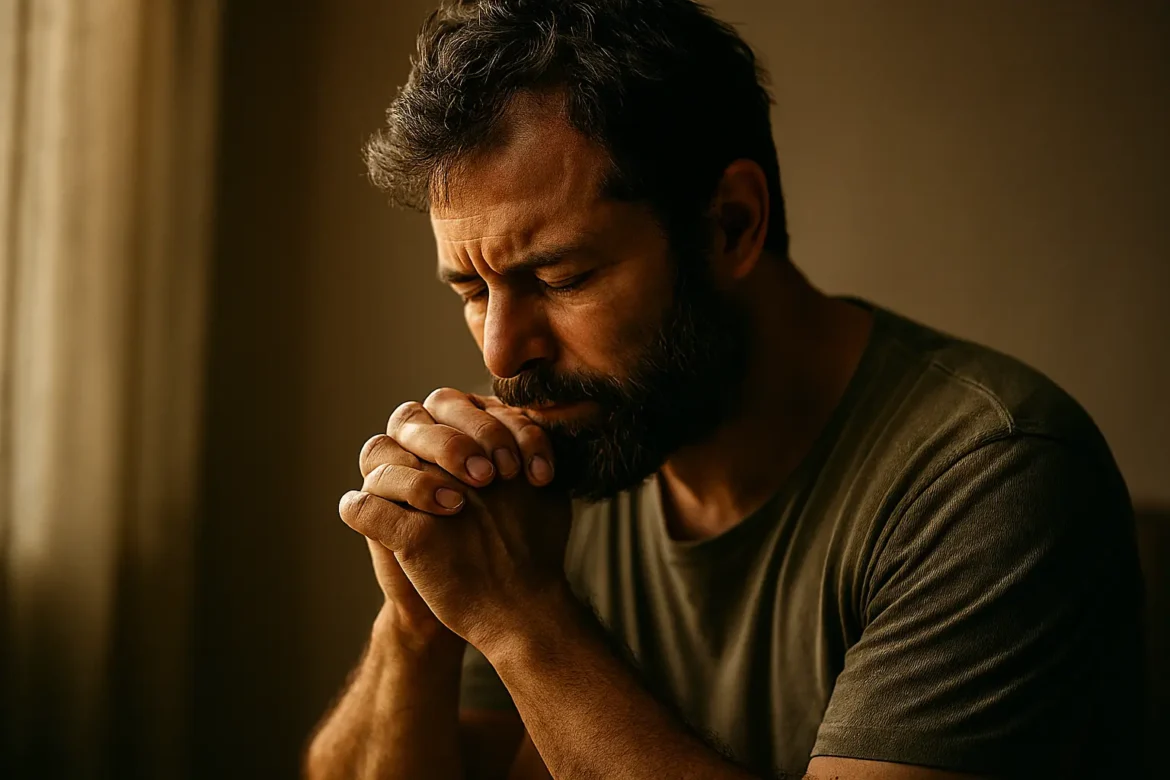
What can we learn from this? Every process of deliverance requires an initial action. Often, this means seeking God in prayer, sometimes with the support of fellow believers. Collective prayer has a powerful impact, as the Bible teaches us:

“Confess your faults one to another, and pray one for another, that ye may be healed. The effectual fervent prayer of a righteous man availeth much.” (James 5:16, KJV)

The Answer of Peace and Hezekiah’s Prayer (2 Kings 19:6-19)

In response to Hezekiah’s request, Isaiah delivers a message of peace and hope:

“Thus saith the Lord, Be not afraid of the words which thou hast heard, with which the servants of the king of Assyria have blasphemed me.” (2 Kings 19:6, KJV)

When Sennacherib, the king of Assyria, sends a letter to intimidate Hezekiah and the people of Jerusalem, the king does not yield to fear. Instead, he takes the letter to the temple and presents it before God, praying fervently and entrusting his cause to the Righteous Judge.

“O Lord our God, I beseech thee, save thou us out of his hand, that all the kingdoms of the earth may know that thou art the Lord God, even thou only.” (2 Kings 19:19, KJV)

This teaches us that in times of crisis, we should seek God in prayer, whether alone or with the support of others. There are moments when we need to close our room’s door and cry out to God, but there are also times when the prayers of our brothers and sisters are essential to overcoming storms.

God’s Promise and Victory (2 Kings 19:20-34)

Through the prophet Isaiah, God responds to Hezekiah’s prayer with a comforting message, promising deliverance and protection for His people. He assures that the enemy will not prevail:

“For I will defend this city, to save it, for mine own sake, and for my servant David’s sake.” (2 Kings 19:34, KJV)

These words brought peace to Hezekiah’s heart, showing that God is faithful to fulfill His promises. When we pray with faith, the Lord acts on our behalf, bringing relief and victory.

Divine Intervention and God’s Glory (2 Kings 19:35-37)

The chapter culminates in God’s mighty action. An angel of the Lord destroys the Assyrian army, and Sennacherib, the enemy king, is killed by his own sons.

“And it came to pass that night, that the angel of the Lord went out, and smote in the camp of the Assyrians an hundred fourscore and five thousand: and when they arose early in the morning, behold, they were all dead corpses.” (2 Kings 19:35, KJV)

This victory demonstrates the power of prayer and God’s sovereignty. He was glorified and saved His people, showing that trust in the Lord brings deliverance.

Application for Our Lives

Hezekiah’s example inspires us to face afflictions with faith and prayer. Like him, we can:

  1. Take action in times of crisis by seeking God.
  2. Pray alone or with the support of brothers to overcome storms.
  3. Trust that God answers prayers and acts on our behalf.

May this word strengthen your faith and reach those who have not yet encountered God. Let us share this message of hope and victory!

Join and Share

If this message has blessed your life, we ask two things:

  1. Leave a comment to edify our faith.
  2. Share on social media so other lives can be impacted by God’s power.
October 21, 2025 0 comments
0 FacebookTwitterPinterestEmail
Casa do Oleiro
Biblical Studies

Jeremiah 18:2 – An Encounter at the Potter’s House

by Ministério Veredas Do IDE October 18, 2025
written by Ministério Veredas Do IDE

Who Was the Prophet Jeremiah?

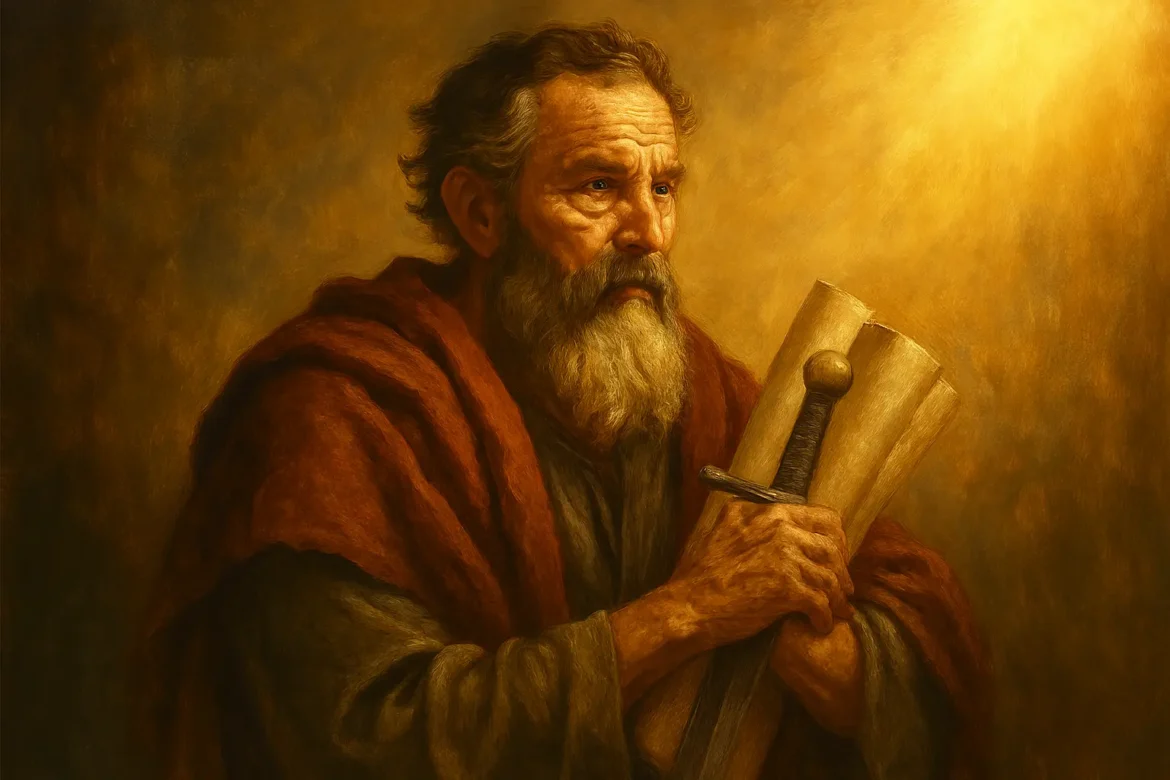
Jeremiah, son of Hilkiah, was one of the priests in Anathoth, a village located over 6 km northeast of Jerusalem, in the land of Benjamin. He was born and raised during the reign of the wicked King Manasseh, in a challenging context for faith. Even before his birth, God had chosen him to be a prophet, as written:

Before I formed thee in the belly I knew thee; and before thou camest forth out of the womb I sanctified thee, and I ordained thee a prophet unto the nations (Jeremiah 1:5, KJV).

Jeremiah began his prophetic ministry in the thirteenth year of the reign of the godly King Josiah, supporting his religious reforms. Known as the “weeping prophet,” he combined stern preaching with a sensitive and compassionate heart, reflecting his deep connection to the divine message.

The Lord called Jeremiah and gave him a specific instruction:

Arise, and go down to the potter’s house, and there I will cause thee to hear my words (Jeremiah 18:2, KJV).

God determined that Jeremiah should go to the potter’s house to receive a revelation by observing the potter’s work with the clay. This experience would serve as the foundation for a powerful spiritual lesson.

What Is a Potter?

A potter is an artisan who crafts and sells objects made of ceramic, working in a pottery, the place where items such as pots, tiles, dishes, and bricks are produced. The potter’s craft requires skill, patience, and precision, transforming raw clay into useful and beautiful objects.

The Process of the Vessel in the Pottery

The creation of a vessel begins with selecting the ideal clay. Geologists note that there are about 200 types of clay on the planet, but only eight are suitable for making vessels. After choosing the material, the potter sifts it to remove impurities like roots, leaves, stones, and twigs. Then, the clay lumps are broken down, moistened with water, trodden, and kneaded, forming a uniform paste.

This paste, made from different types of clay, water, and substances that ensure consistency, is covered with a tarp to remove air bubbles, increasing its strength and preventing cracks in the pieces. After resting, the potter places the paste on the wheel, often operated by foot. With skilled hands, the potter shapes the clay, forming a vessel in moments.

Without a fixed mold, each vessel is crafted individually, requiring technique and a keen eye to ensure uniformity. After shaping, the vessel is taken to a drying room, where it remains in a shaded, ventilated area until completely dry and sturdy. During this period, the potter adjusts the vessel’s position to prevent deformities caused by wind. Finally, the vessel is fired in a high-temperature kiln, where it takes its final form and becomes useful.

The Parable of the Potter and the Clay

The biblical study of the potter and the clay offers rich lessons about God’s work in our lives. He is the Potter who shapes our character and purpose. Our submission to Him largely determines what can be accomplished through us. God wants us to understand that, if necessary, He can adjust His plans for us, as shown in:

And the vessel that he made of clay was marred in the hand of the potter: so he made it again another vessel, as seemed good to the potter to make it (Jeremiah 18:4, KJV).

A lack of deep dedication to God can hinder His original purpose for our lives. Yet, He invites us daily into His presence, like a host opening the doors of His house. Jeremiah teaches us that no one enters the potter’s house without an invitation, and God calls us to be transformed in His hands.

In God’s pottery, we are like clay in the Potter’s hands. Sometimes, the vessel in formation breaks, as happens in our lives when the “cracks” of sin uch as adultery, impurity, envy, anger, or idolatry compromise our spiritual beauty and cause us to lose our anointing. In these moments, we must acknowledge our faults and cry out: “Against thee have I sinned, Lord; I need to be transformed and reshaped.”

When we enter the Potter’s house, we accept the invitation to transformation. God seals our cracks, restores our anointing, and makes us useful vessels for His work. The Christian life is marked by transformation and repair, like a hospital where we enter sick but leave healed.

Conclusion: A Daily Invitation to Transformation

God, the Potter, invites us to be shaped daily. Recognizing our flaws and allowing Him to transform us is the path to a restored and purposeful life. Like a vessel hardened in the kiln, we can emerge from the Potter’s house ready to fulfill the calling He has given us.

October 18, 2025 0 comments
0 FacebookTwitterPinterestEmail
Oração do Pai Nosso
Biblical Studies

Effective Prayer: Discover the Power of the Lord’s Prayer

by Ministério Veredas Do IDE October 18, 2025
written by Ministério Veredas Do IDE

The Lord’s Prayer, found in Matthew 6:9-13, is a powerful model taught by Jesus to guide us in connecting with God. In this passage, He provides words that express worship, gratitude, a plea for forgiveness, and a request for divine guidance. The Lord’s Prayer is not merely a text to recite but an invitation to intimate communion with our Heavenly Father, acknowledging His greatness and goodness.

The Lord’s Prayer serves as a guide for our conversations with God. Beyond presenting our needs, we are called to give thanks for all that the Lord has done for us, strengthening our faith and fellowship.

How to Pray Effectively?

The Bible offers the perfect example of prayer through the Lord’s Prayer, taught by Jesus in Matthew 6:9-13:

After this manner therefore pray ye: Our Father which art in heaven, Hallowed be thy name. Thy kingdom come. Thy will be done in earth, as it is in heaven. Give us this day our daily bread. And forgive us our debts, as we forgive our debtors. And lead us not into temptation, but deliver us from evil: For thine is the kingdom, and the power, and the glory, for ever. Amen. (Matthew 6:9-13, KJV)

Every Christian should set aside a daily moment to be alone with God. To ensure that personal prayer is deep and meaningful, it is essential to choose a quiet place, as Jesus did when He withdrew to pray in specific locations, as described in Mark 1:35 and Luke 4:42. Discipline in prayer strengthens our communion with God and reflects our love for Him.

The Six Petitions of the Lord’s Prayer

The Lord’s Prayer contains six petitions, divided into two parts: three focused on God’s glory and will, and three related to our personal needs.

1. Our Father which art in heaven The prayer begins with worship to our Heavenly Father. As our Father, God loves, protects, and desires closeness with us. Through Christ’s sacrifice, we have continuous access to the Father to worship Him and share our needs. However, God is not like an earthly father who tolerates sin. His wisdom and justice guide us toward truth and virtue, correcting us with love for our spiritual growth.

2. Hallowed be thy name Our prayers and lives should glorify God, honoring His holiness. By living according to His principles, we show the world the value of following a path of love and compassion. Reverencing God in our prayers and actions strengthens our connection with Him and His Church, spreading the gospel.

3. Thy kingdom come, Thy will be done Praying for God’s Kingdom means desiring His will to be manifested on Earth, both now and in the future, with Christ’s return and the establishment of His eternal Kingdom. We should pray for God’s power to heal the sick, save the lost, promote justice, and pour out the Holy Spirit upon His people, breaking the works of the enemy.

4. Give us this day our daily bread Presenting our daily needs to God is an act of trust. In prayer, we are invited to express sincerely what we need, finding strength and guidance to face everyday challenges.

5. Forgive us our debts, as we forgive our debtors Forgiveness is essential for inner peace and healthy relationships. As we seek forgiveness for our shortcomings, we commit to forgiving those who wrong us, freeing ourselves from resentment and promoting harmony.

6. Lead us not into temptation, but deliver us from evil Daily, we face spiritual challenges. Praying for God’s protection strengthens us against the enemy’s schemes, guiding us with His light and love to face adversities with courage.

The Power of Prayer with Faith

The Bible assures us that God hears the prayers of His children:

He will regard the prayer of the destitute, and not despise their prayer. (Psalm 102:17, KJV)

Prayer offered with faith has the power to heal, comfort, bless, and transform lives. It connects us with the Holy Spirit, renewing our strength and guiding us toward a life of holiness. However, we must trust in God’s perfect timing, as described in:

To every thing there is a season, and a time to every purpose under the heaven. (Ecclesiastes 3:1, KJV)

Whether the answer comes immediately or after a period of waiting, we must trust in God’s wisdom, keeping our faith and hope alive.

The Sincerity of Prayer

Prayer does not need to be long or complex. God values the sincerity of the heart above eloquent words. In prayer, we can pour out our weaknesses, needs, and gratitude, trusting that He cares for us with unconditional love. Prayer is an intimate dialogue with the Creator, where we express our dependence and trust in Him.

Conclusion: Share the Word of Faith

The Lord’s Prayer is more than words; it is a guide to living in communion with God, seeking His will, and trusting in His love. May we share this message with those who have yet to experience the transforming power of prayer.

If this text has uplifted your faith, we ask two things:

  • Leave a comment to share your experience and strengthen our community.
  • Share this post on your social media to spread the gospel to more people.
October 18, 2025 0 comments
0 FacebookTwitterPinterestEmail
Biblical Studies

Jesus Walks on Water (Matthew 14:22-33)

by Ministério Veredas Do IDE October 18, 2025
written by Ministério Veredas Do IDE

In Matthew 14:22-33, we find one of the most remarkable passages in the New Testament: Jesus walks on water. As the disciples watched in disbelief, seeing Jesus walk on the turbulent waters, they were overcome with a mix of fear and awe. The scene challenged their understanding of the world and of Christ Himself. Yet, with His divine wisdom and compassion, Jesus reassured them with gentle words:

“Take courage! It is I. Don’t be afraid” (Matthew 14:27, NIV).

These simple words were enough to calm the disciples’ hearts and strengthen their faith in Jesus’ presence and power.

During this supernatural event, Peter shows courage by asking to join Jesus, walking on the water as well. This moment teaches us that God invites us to supernatural experiences to transcend the natural and embrace the extraordinary.

Storms and God’s Care

Storms have always been and will always be part of the Christian life. However, even amid adversity, we can see God’s care. Storms create moments of intimacy with Him, drawing us closer to His presence.

“Immediately Jesus made the disciples get into the boat and go on ahead of him to the other side, while he dismissed the crowd. After he had dismissed them, he went up on a mountainside by himself to pray. Later that night, he was there alone” (Matthew 14:22-23, NIV).

First Lesson: We Are Never Alone At times, we may feel like we are walking alone, as the disciples did when Jesus sent them to the other side of the sea. It seemed as though He was saying, “You go, for I will stay here.” Yet, we are never truly abandoned. Just as Jesus appeared to the disciples walking on the water, He is with us in every storm of life. His presence is constant, guiding and protecting us, even when everything feels uncertain. We must remember that, even in moments of apparent solitude, Jesus is always with us.

The disciples promptly obeyed Jesus’ voice, getting into the boat and setting out. They may not have fully understood His intentions, but they knew the importance of obedience. We may not always understand God’s ways, but we know how essential it is to follow His voice. There will be times when we experience God’s silence, but that does not mean His absence.

Intimacy with God

Second Lesson: Communion with the Father Jesus went up to the mountain to pray, seeking a moment of intimacy with the Father. As evening came, He remained there, praying alone. This example teaches us the importance of intimate communion with God, praying unceasingly. We should pray in church with our brothers and sisters, but above all, set aside moments alone with God.

“And the boat was already a considerable distance from land, buffeted by the waves because the wind was against it. Shortly before dawn Jesus went out to them, walking on the lake. When the disciples saw him walking on the lake, they were terrified. ‘It’s a ghost,’ they said, and cried out in fear” (Matthew 14:24-26, NIV).

There will be times when everything seems calm, but suddenly, a storm arises, the waves churn, and the winds blow against us. In those moments, we may feel as though we are about to sink. Yet, it is in these times that Jesus reveals Himself, bringing peace and security.

Peter and Faith Amid the Storm

Faced with this supernatural scene, the disciples, gripped by fear, mistook Jesus for a ghost. Their reaction reflects our human response to the unknown. But Jesus, understanding their hearts, said:

“Take courage! It is I. Don’t be afraid” (Matthew 14:27, NIV).

Peter, with boldness, asked to walk on the water toward Jesus. Jesus’ response was clear: “Come!”

“‘Lord, if it’s you,’ Peter replied, ‘tell me to come to you on the water.’ ‘Come,’ he said. Then Peter got down out of the boat, walked on the water and came toward Jesus” (Matthew 14:28-29, NIV).

Peter stepped out of the boat and began walking on the water, driven by faith. However, feeling the strong wind, he shifted his focus from Jesus and was overcome by fear, beginning to sink.

“But when he saw the wind, he was afraid and, beginning to sink, cried out, ‘Lord, save me!’” (Matthew 14:30, NIV).

Why Did Peter Sink? Peter allowed the adversities to distract him from Jesus. Like Peter, we often start with boldness, but storms challenge us. When we take our eyes off Jesus, our faith wavers. Yet, when he cried out for help, Jesus immediately reached out and held him.

“Immediately Jesus reached out his hand and caught him. ‘You of little faith,’ he said, ‘why did you doubt?’ And when they climbed into the boat, the wind died down. Then those who were in the boat worshiped him, saying, ‘Truly you are the Son of God’” (Matthew 14:31-33, NIV).

The Faith That Overcomes Storms

Peter’s faith enabled him to walk on water, but his doubt caused him to sink. Our faith must be strong enough to destabilize the storms, not the other way around. When facing challenges, we need to keep our focus on Jesus, crying out for His help. He is always ready to hold us and guide us.

God teaches us that, with faith, we can walk on water, break through storms, and face the waves. Our trust in God empowers us to overcome the impossible, fostering new spiritual experiences and deepening our communion with Him.

Conclusion: Overcome the Impossible with Faith

Like Peter, we are called to trust God, even when circumstances seem insurmountable. Faith allows us to transcend difficulties and experience the supernatural. May we keep our eyes fixed on Jesus, knowing He sustains us through every storm.

Share this word of faith with those who have not yet encountered God. If this message has uplifted your life, leave a comment to strengthen our faith and share on social media to impact other lives with God’s power.

October 18, 2025 0 comments
0 FacebookTwitterPinterestEmail
Mulher buscando gravetos
Biblical Studies

The Widow of Zarephath: Faith Turns Death into a Miracle!

by Ministério Veredas Do IDE October 18, 2025
written by Ministério Veredas Do IDE

Like the remarkable widow of Zarephath, the Holy Bible features numerous passages about women who played pivotal roles in God’s purposes. In this study of the widow of Zarephath, we will explore the inspiring story of faith and generosity of a woman who, amidst scarcity, fully trusted in divine provision. Her act of sharing the little she had with the prophet Elijah not only demonstrated her trust in God but also led to a miracle of provision that transformed not only her life but also that of her family.

This passage teaches us valuable lessons about trust, solidarity, and the importance of serving others, even in the face of adversity. Her story is a powerful reminder that faith and generosity can open doors to unimaginable blessings, revealing the greatness of God’s love and provision in our lives.

I don’t know how you came across this study or what your needs are, but God will reveal powerful lessons through this exploration of 1 Kings 17:12:

And she said, As the Lord thy God liveth, I have not a cake, but an handful of meal in a barrel, and a little oil in a cruse: and, behold, I have gathered two sticks, that I may go in and dress it for me and my son, that we may eat it, and die (1 Kings 17:12, KJV).

1. God Blesses Not Only Your Life but Others’ Through Small Actions

In 1 Kings 17:7-16, the widow of Zarephath shared her scarce resources with Elijah, teaching us that it’s not the amount we have but the willingness to share with others that matters. The Bible provides several examples of people who, with few resources, blessed many lives:

  • The Widow of Zarephath (1 Kings 17:7-16): During a severe drought, she shared her last meal with Elijah and was miraculously blessed with meal and oil that never ran out.

For thus saith the Lord God of Israel, The barrel of meal shall not waste, neither shall the cruse of oil fail, until the day that the Lord sendeth rain upon the earth (1 Kings 17:14, KJV).

  • The Poor Widow (Mark 12:41-44): Jesus praised a poor widow who gave all she had as an offering in the temple, highlighting her sacrificial generosity.

And he called unto him his disciples, and saith unto them, Verily I say unto you, That this poor widow hath cast more in, than all they which have cast into the treasury: For all they did cast in of their abundance; but she of her want did cast in all that she had, even all her living (Mark 12:43-44, KJV).

  • The Boy with the Loaves and Fishes (John 6:1-14): A young boy shared his five loaves and two fish, which Jesus multiplied to feed over five thousand people.

And Jesus took the loaves; and when he had given thanks, he distributed to the disciples, and the disciples to them that were set down; and likewise of the fishes as much as they would. When they were filled, he said unto his disciples, Gather up the fragments that remain, that nothing be lost (John 6:11-12, KJV).

God’s Word reveals that what seems small to us can have profound significance in someone else’s life. God works powerfully, transforming the little we have into much, blessing both the giver and the receiver. May we be inspired to spread love and solidarity wherever we go.

Context of 1 Kings 17:1-7

Elijah prophesied to Ahab that there would be no rain for three and a half years, challenging the people’s belief that Baal controlled the rain and harvests. Disturbed by their idolatry, Elijah declared the drought to show that true power belongs to God. The Lord sent him to the brook Cherith, where he was sustained by ravens and water from the brook. When the brook dried up, God directed him to Zarephath, a city outside Israel, where a widow was already prepared to provide for him.

Arise, get thee to Zarephath, which belongeth to Zidon, and dwell there: behold, I have commanded a widow woman there to sustain thee (1 Kings 17:9, KJV).

Elijah, trusting in divine guidance, set out for Zarephath, confident that God had already prepared the way.

The Meaning of Zarephath

Zarephath was a coastal Phoenician city, located 1,126.3 km south of Zidon, in modern-day Sarafand, Lebanon. Its name means “smelting furnace” or “to refine,” likely due to the metalworking activities in the region at the time. This divine choice reflects how God can refine and transform lives amidst adversity.

Why Did God Choose the Widow?

God chose the widow of Zarephath as an example of unwavering faith. Despite her extreme poverty, she trusted in divine providence, becoming a channel of blessings for Elijah and herself. Her story teaches us to hold fast to hope in times of scarcity, showing that true faith can overcome any challenge.

2. The Little We Have Will Be Multiplied by God

In 1 Kings 17:12, the widow describes her desperate situation: only a handful of meal, a little oil, and two sticks to prepare a final meal for herself and her son before facing death. Yet, her trust and generosity in responding to Elijah’s request led to a miracle: the meal and oil never ran out.

And she went and did according to the saying of Elijah: and she, and he, and her house, did eat many days. And the barrel of meal wasted not, neither did the cruse of oil fail, according to the word of the Lord, which he spake by Elijah (1 Kings 17:15-16, KJV).

The widow’s faith changed her fate. She exchanged the certainty of death for God’s certainty, seeing the invisible through faith, as described in:

Now faith is the substance of things hoped for, the evidence of things not seen (Hebrews 11:1, KJV).

The divine formula is clear: obedience + faith = miracles. The widow followed Elijah’s instructions, trusting in God, and was sustained through the drought. God desires to do great things in our lives, but we must believe His Word and act in faith.

A Call to Faith

The widow of Zarephath is an inspiring example of trust in God. Even with little, she shared her last meal, and God blessed her abundantly. Her story challenges us to trust in divine providence, even in the most difficult circumstances, and to be generous, knowing that God will meet our needs.

Check out our Bible study on Luke 18:35-43 – “A Blind Man Saw More Than the Crowd” – to discover more lessons on transformative faith.

May we share this message of faith with those who have not yet encountered God’s power. If this study has blessed your life, we ask for two things:

  • Leave a comment: Share how this message touched your heart.
  • Share on social media: Help other lives be impacted by God’s power.
October 18, 2025 0 comments
0 FacebookTwitterPinterestEmail
Jesus curando o cego de jerico
Biblical Studies

The Blind Man of Jericho Sees Beyond the Crowd – Luke 18:35-43

by Ministério Veredas Do IDE October 18, 2025
written by Ministério Veredas Do IDE

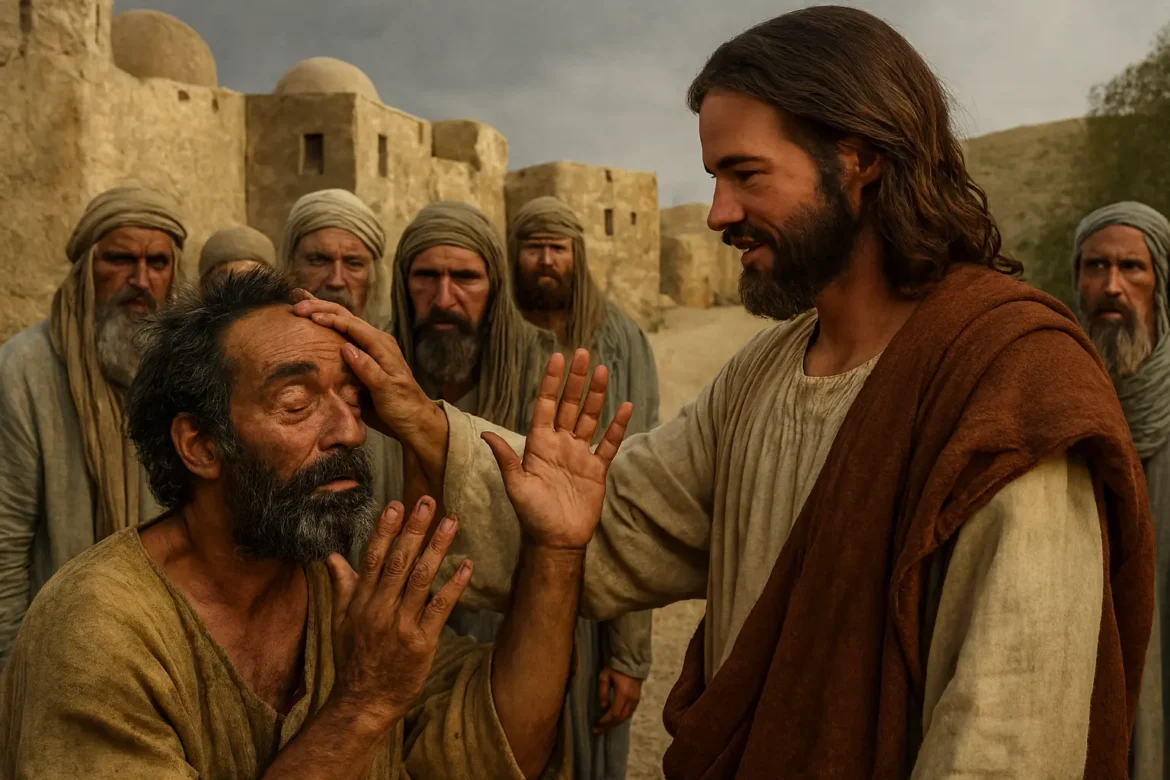
Today, we will reflect on the story of a remarkable man: the blind man of Jericho. Sitting by the roadside, begging, he teaches us valuable lessons that resonate even today, showing the power of faith and perseverance.

The healing of the blind man of Jericho reveals, first and foremost, that the crowd present saw only with their physical eyes. Although they could see physically, they were spiritually blind, unable to perceive the true essence of Jesus Christ. Spiritual blindness prevented them from understanding the depth of who Jesus was. Many in the crowd sought only the blessings He could offer, forgetting to seek the Blesser.

“For God so loved the world, that he gave his only begotten Son, that whosoever believeth in him should not perish, but have everlasting life.” (John 3:16)

This superficial pursuit limited the crowd to a shallow view of the world, unable to appreciate the spiritual things Jesus brought. On the other hand, the blind man of Jericho, despite lacking physical sight, saw with the eyes of faith. He believed his miracle could become a reality, seeing beyond human limitations.

The Bible describes this man sitting by the roadside, perhaps ignored by society, which saw him as just another helpless person, without value or purpose. However, his story shows us that faith can transform any situation.

“And it came to pass, that as he was come nigh unto Jericho, a certain blind man sat by the way side begging: And hearing the multitude pass by, he asked what it meant. And they told him, that Jesus of Nazareth passeth by. And he cried, saying, Jesus, thou Son of David, have mercy on me. And they which went before rebuked him, that he should hold his peace: but he cried so much the more, Thou Son of David, have mercy on me. And Jesus stood, and commanded him to be brought unto him: and when he was come near, he asked him, saying, What wilt thou that I shall do unto thee? And he said, Lord, that I may receive my sight. And Jesus said unto him, Receive thy sight: thy faith hath saved thee. And immediately he received his sight, and followed him, glorifying God: and all the people, when they saw it, gave praise unto God.” (Luke 18:35-43)

1st Lesson: The Opportunity to Receive the Miracle

“And hearing the multitude pass by, he asked what it meant.” (Luke 18:36)

While begging, the blind man heard something unusual. This passage teaches us to recognize the moments when God manifests in our lives. Even amidst difficulties, we can perceive the divine presence and open our hearts to receive His blessings. Like the blind man, we can allow God’s light to guide and transform us.

When informed that “Jesus of Nazareth” was passing by (Luke 18:37), he likely heard reports of Jesus’ miraculous deeds: healings, wonders, and even resurrections. Moved by these words, he placed a burning desire in his heart and began to cry out for his miracle.

“And he cried, saying, Jesus, thou Son of David, have mercy on me. And they which went before rebuked him, that he should hold his peace: but he cried so much the more, Thou Son of David, have mercy on me.” (Luke 18:38-39)

This attitude shows us that the blind man did not let the voices trying to silence him deter him. His faith and determination led him to persist, even in the face of adversity. When Jesus passed by, he was heard and received healing, showing that unwavering faith is essential to achieving a miracle.

2nd Lesson: The Miracle Comes Through Crying Out

The blind man cried out with fervor: “Jesus, Son of David, have mercy on me!” Despite the crowd’s attempts to silence him, he persisted. This perseverance teaches us that, when seeking a miracle, we must not heed voices of disbelief. Our God is the One who changes stories, and faith drives us to cry out with confidence.

“And Jesus stood, and commanded him to be brought unto him: and when he was come near, he asked him, saying, What wilt thou that I shall do unto thee? And he said, Lord, that I may receive my sight.” (Luke 18:40-41)

Jesus knew the blind man’s need but asked, “What wilt thou that I shall do unto thee?” This question invites us to express our needs clearly and confidently. God desires to hear our longings, strengthening our connection with Him through prayer. Like the blind man, we should approach God with humility, knowing He is ready to hear and guide us with love.

3rd Lesson: Faith and Perseverance Transform Lives

“And Jesus said unto him, Receive thy sight: thy faith hath saved thee. And immediately he received his sight, and followed him, glorifying God: and all the people, when they saw it, gave praise unto God.” (Luke 18:42-43)

The blind man’s faith was the catalyst for his miracle. His determination to cry out, even amidst difficulties, led him to a transformative encounter with Jesus. He not only regained his sight but also followed Jesus, glorifying God. This example shows that gratitude connects us to the Blesser, going beyond the pursuit of blessings.

The story of the blind man of Jericho reminds us that faith and perseverance are essential to overcoming obstacles. Like him, we can believe that the impossible becomes possible when we place our trust in God. Every miracle in our lives whether healing, deliverance, or renewal depends on the faith we put into action.

May we share this message of hope with those who have not yet encountered God’s power. If this text touched your heart, leave a comment to strengthen our faith and share it on social media so that more people can be impacted by this transformative truth.

October 18, 2025 0 comments
0 FacebookTwitterPinterestEmail
Biblical Studies

The Lord is My Shepherd: The Promise of Care and Protection in Psalm 23

by Ministério Veredas Do IDE September 11, 2025
written by Ministério Veredas Do IDE

God cares for each of us, just as a father watches over his child or a shepherd tends to his sheep. He loves, guides, corrects, and leads us on paths of peace. No matter how you arrived here, the Good Shepherd desires to transform your life and family, granting victories that reveal God’s impossible.

Plan for Our Reflection

  • In which areas does God desire to care for us?
  • Do we understand the importance of God’s care?
  • Are we dependent on His love and protection?
  • As sheep, are we obeying the Good Shepherd?

The Lord, our Shepherd, longs to grant us a full life, leading us to “still waters” and refreshing our souls with His peace.

The Care of the Good Shepherd

“The Lord is my shepherd; I shall not want. He maketh me to lie down in green pastures: he leadeth me beside the still waters. He restoreth my soul: he leadeth me in the paths of righteousness for his name’s sake. Yea, though I walk through the valley of the shadow of death, I will fear no evil: for thou art with me; thy rod and thy staff they comfort me. Thou preparest a table before me in the presence of mine enemies: thou anointest my head with oil; my cup runneth over. Surely goodness and mercy shall follow me all the days of my life: and I will dwell in the house of the Lord for ever.” (Psalm 23:1-6, KJV)

These words from Psalm 23 bring comfort and hope, reminding us of the Good Shepherd’s constant presence. Even in the darkest moments, He is by our side, consoling and protecting us. The imagery of “green pastures” and “still waters” evokes rest and renewal, while the promise of goodness and mercy fills us with gratitude for God’s unconditional love.

The Lord is My Shepherd

“The Lord is my shepherd; I shall not want.” (Psalm 23:1, KJV)

This verse assures us that God meets all our needs. When we feel lost, we can trust He is with us, guiding us with love. In John 10:11, Jesus declares:

“I am the good shepherd: the good shepherd giveth his life for the sheep.” (John 10:11, KJV)

Jesus gave His life for us, showing unparalleled love. His teachings of compassion inspire us to love our neighbors, practice empathy, and spread hope. By following His steps, we reflect His light and share His message of redemption with the world.

Faithfulness in All Circumstances

“His lord said unto him, Well done, thou good and faithful servant: thou hast been faithful over a few things, I will make thee ruler over many things: enter thou into the joy of thy lord.” (Matthew 25:21, KJV)

In times of trial, our faith is tested, but these moments shape our character. The story of Job exemplifies unwavering faithfulness in both prosperity and adversity. Like him, we must trust God in all circumstances, as loyalty in small things prepares us to receive greater blessings with humility and gratitude.

Benefits of Trusting the Good Shepherd

By allowing God to guide our lives, we experience blessings such as:

  • Constant presence: He is with us 24/7, watching our steps and protecting us with love.
  • Peace and rest: He makes us “lie down in green pastures” (Psalm 23:2, KJV), granting serenity.
  • Courage and hope: He frees us from fear, guiding us with strength and confidence.

Spiritual practices like fasting, prayer, consecration, and daily Bible reading strengthen our communion with God, bringing peace and guidance to face life’s challenges.

Restoration and Righteousness

“He restoreth my soul: he leadeth me in the paths of righteousness for his name’s sake.” (Psalm 23:3, KJV)

When we are weary, the Good Shepherd renews our strength, bringing hope and provision. He guides us with wisdom, even through life’s “valleys,” showing that each challenge is an opportunity for growth.

Facing Adversity with Faith

“Yea, though I walk through the valley of the shadow of death, I will fear no evil: for thou art with me; thy rod and thy staff they comfort me.” (Psalm 23:4, KJV)

With God, we fear no adversity, for He protects us. The “rod” symbolizes His authority and protection, while the “staff” guides us on the right path. Accepting His correction is embracing His love, which shapes us to live in holiness.

Blessings in the Presence of Enemies

“Thou preparest a table before me in the presence of mine enemies: thou anointest my head with oil; my cup runneth over.” (Psalm 23:5, KJV)

Even in a world that questions faith, God blesses us abundantly. As John 1:5 states:

“And the light shineth in darkness; and the darkness comprehended it not.” (John 1:5, KJV)

Our mission is to be a light, spreading love and compassion in the midst of darkness.

Everlasting Goodness and Mercy

“Surely goodness and mercy shall follow me all the days of my life: and I will dwell in the house of the Lord for ever.” (Psalm 23:6, KJV)

Believers trust that the Good Shepherd works for their good, as Romans 8:28 affirms:

“And we know that all things work together for good to them that love God, to them who are the called according to his purpose.” (Romans 8:28, KJV)

Every difficulty is a step toward growth, and God’s care leads us to eternal life.

Conclusion: Let the Good Shepherd Guide Your Life

The Good Shepherd longs to transform your story, bringing peace, healing, and salvation. If you are already a servant of the Lord, stand firm, seeking His presence. If you haven’t yet surrendered to Jesus, call on Him today. Find a local evangelical church, accept Jesus as your Savior, and let Him be the Shepherd of your life.

May this message touch your heart and reach others. Share it on social media, leave a comment, and be a channel of God’s Word to transform lives. May the Lord bless you abundantly!

September 11, 2025 0 comments
0 FacebookTwitterPinterestEmail
Qual é o seu chamado
Biblical Studies

Isaiah 61:1-3 – What Is Your Calling?

by Ministério Veredas Do IDE September 11, 2025
written by Ministério Veredas Do IDE

Have you ever stopped to reflect on what your calling is in God’s work? Each of us has a unique purpose, but understanding what the Lord has reserved for our lives isn’t always easy. In this article, we’ll explore the divine calling based on Isaiah 61:1-3, discovering how it applies to us today.

The Divine Calling in Isaiah 61:1-3

I invite you to open your Bible and ask yourself: What is my calling? Let’s dive into Isaiah 61:1-3, which says, according to the King James Version (KJV):

The Spirit of the Lord GOD is upon me; because the LORD hath anointed me to preach good tidings unto the meek; he hath sent me to bind up the brokenhearted, to proclaim liberty to the captives, and the opening of the prison to them that are bound; To proclaim the acceptable year of the LORD, and the day of vengeance of our God; to comfort all that mourn; To appoint unto them that mourn in Zion, to give unto them beauty for ashes, the oil of joy for mourning, the garment of praise for the spirit of heaviness; that they might be called trees of righteousness, the planting of the LORD, that he might be glorified. (Isaiah 61:1-3, KJV)

This passage reveals the mission of the Messiah, which Jesus applied to Himself in Luke 4:18-19. It also points to the calling of the Church, which continues Christ’s work on Earth. The calling described here is clear: to bring hope, healing, freedom, and salvation to all.

The Four Pillars of Your Calling

The calling of God in our lives, inspired by Isaiah 61:1-3, can be summarized in four purposes, reflecting the ministry of Jesus:

1. Preach the Gospel to the Poor, Humble, and Afflicted

Go ye therefore, and teach all nations, baptizing them in the name of the Father, and of the Son, and of the Holy Ghost. (Matthew 28:19, KJV)

The “go ye” of Jesus is a universal call to proclaim the Gospel to every creature, regardless of their social or spiritual condition. This includes those who have never heard the truth and those who have strayed from the Lord’s path. Our calling is to declare that Jesus heals, saves, delivers, and leads to heaven, affirming that He is “the way, the truth, and the life” (John 14:6, KJV).

2. Heal the Sick, Both Spiritually and Physically Broken

Heal the sick, cleanse the lepers, raise the dead, cast out devils: freely ye have received, freely give. (Matthew 10:8, KJV)

Jesus gave us authority to heal the sick, deliver the oppressed, and bring restoration. What we have received freely, we must give freely. Praying with faith, believing that God can transform lives, is an essential part of our calling. As John 14:13 states: “And whatsoever ye shall ask in my name, that will I do, that the Father may be glorified in the Son” (KJV).

3. Break the Chains of Evil and Proclaim Deliverance

Now the Lord is that Spirit: and where the Spirit of the Lord is, there is liberty. (2 Corinthians 3:17, KJV)

Where the Holy Spirit moves, there is freedom, transformation, and renewal. Our calling is to minister boldly, breaking the chains of sin and evil dominion, bringing hope to the captives, discouraged, and oppressed. We must proclaim the freedom that comes from Christ, transforming lives around us.

4. Open the Spiritual Eyes of the Lost

And it shall come to pass, that whosoever shall call on the name of the Lord shall be saved. (Acts 2:21, KJV)

Many people have yet to encounter God truly. Our calling is to share the Gospel, showing that Jesus loves, saves, and delivers. We must reach the needy—from the homeless to those society deems “hopeless”—proclaiming that with Jesus, all things are possible (Mark 10:27).

Fulfilling Your Calling in Practice

Understanding our calling is just the beginning. We must put it into action, sharing God’s Word with all, especially those living in hardship or who do not yet know Jesus as their Savior. As John 8:32 says: “And ye shall know the truth, and the truth shall make you free” (KJV). The truth of the Gospel has the power to transform lives, and our role is to share it with love and boldness.

A Call to Action

If this message has touched your heart, we ask for two things:

  • Leave a comment sharing how God spoke to you, edifying our faith.
  • Share on social media so more lives can be impacted by the power of the Gospel.

Let us fulfill God’s calling, spreading the light of the Gospel to every corner, transforming lives for the glory of the Lord!

September 11, 2025 0 comments
0 FacebookTwitterPinterestEmail
Newer Posts
Older Posts

Novidades Edificantes

  • Who Was Ishmael in the Bible?
  • The Many Afflictions of the Righteous and the Deliverance of the Lord
  • Who Is Jesus Christ? John 3:16-18
  • Why Did Pharaoh Order the Killing of the Hebrew Firstborns?
  • How Was David Chosen to Be King? (1 Samuel 16)

Follow Us

Facebook Twitter Instagram Youtube

Edifique Sua Vida!

  • Who Was Ishmael in the Bible?

    December 19, 2025
  • The Many Afflictions of the Righteous and the Deliverance of the Lord

    December 19, 2025
  • Who Is Jesus Christ? John 3:16-18

    December 19, 2025
  • Why Did Pharaoh Order the Killing of the Hebrew Firstborns?

    December 19, 2025
  • How Was David Chosen to Be King? (1 Samuel 16)

    December 9, 2025
Veredas Do IDE
Subscribe Youtube
    • Estudos Bíblicos
    • Esboços De Pregação
    • Devocional Diário
    • Motivacional Bíblico
    • Personagens Bíblicos
    • Perguntas e Respostas Bíblicas
    • Quem Somos
    • Termos De Uso
    • Politica de Privacidade

Nossas Redes Sociais

Facebook Twitter Instagram Youtube Medium

2016 / 2025 –  Todos os Direitos Reservados ao Ministério Veredas Do IDE. 

Ministério Veredas Do IDE
  • Home
  • ConfiraHOT
  • Devocional Diário
  • Motivacional
  • Perguntas e Respostas
  • English
    • English
    • Español
    • Português
Ministério Veredas Do IDE
  • Home
  • ConfiraHOT
  • Devocional Diário
  • Motivacional
  • Perguntas e Respostas
  • English
    • English
    • Español
    • Português
@2016 / 2025 - All Right Reserved. Todos os Direitos Reservados ao Ministério Veredas Do IDE Veredas Do IDE